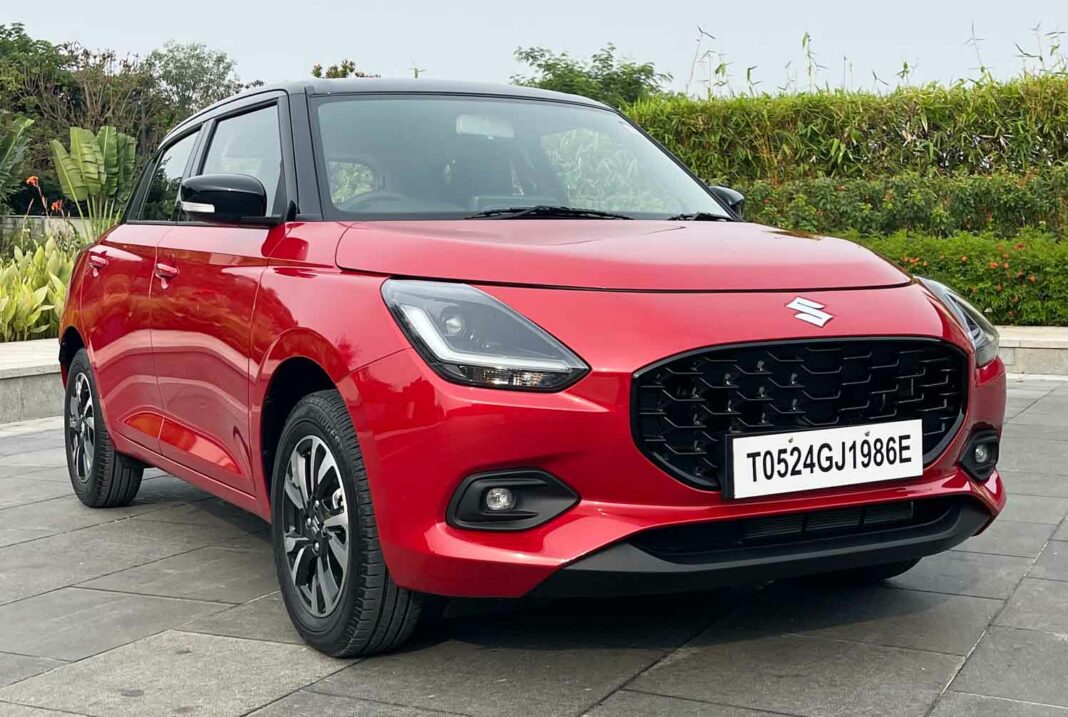
Indian car buyers have a big reason to celebrate! The new GST 2.0 reforms (2025) have reduced prices of small petrol and diesel cars by up to ₹1.5 lakh, making them more affordable than ever before. This landmark tax reform is expected to boost demand in the mass-market segment and give a fresh push to India’s automobile industry.
In this article, let’s break down how much you can actually save, which car categories benefit the most, and what this means for buyers and automakers.
What Changed in GST 2.0?
Earlier, small petrol and diesel cars were taxed at 28% GST + cess. Now, under GST 2.0, the government has introduced a flat 18% GST with no cess.
Old vs New Tax Regime:
- Petrol cars (≤1200cc, ≤4m):
- Earlier: 28% GST + 1% cess = 29%
- Now: 18% flat GST
- Diesel cars (≤1500cc, ≤4m):
- Earlier: 28% GST + 3% cess = 31%
- Now: 18% flat GST
This translates into direct savings of 8–10% for car buyers.
How Much Can You Save? (Examples)
Case 1: Petrol Car @ ₹10 lakh
- Old price (29% GST) = ₹10,00,000
- New price (18% GST) ≈ ₹9,14,729
You save ~₹85,000!
Case 2: Diesel Car @ ₹15 lakh
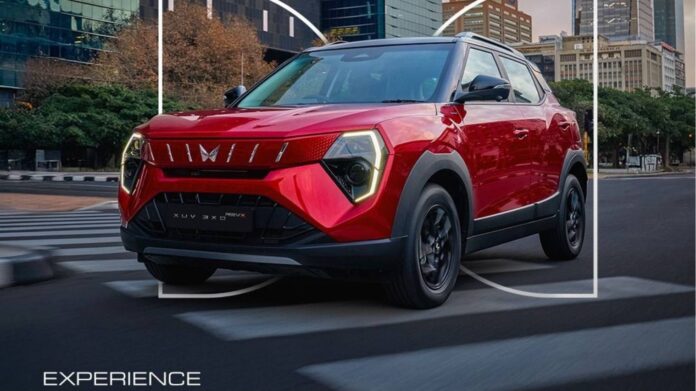
- Old price (31% GST) = ₹15,00,000
- New price (18% GST) ≈ ₹13,50,146
You save ~₹1.5 lakh!
Which Brands Benefit the Most?
This tax cut is a game-changer for mass-market automakers like:
- Maruti Suzuki
- Hyundai
- Tata Motors
- Honda
These companies rely heavily on hatchbacks and compact SUVs, which will now be much more affordable under GST 2.0.
EVs and Tractors Still Ahead
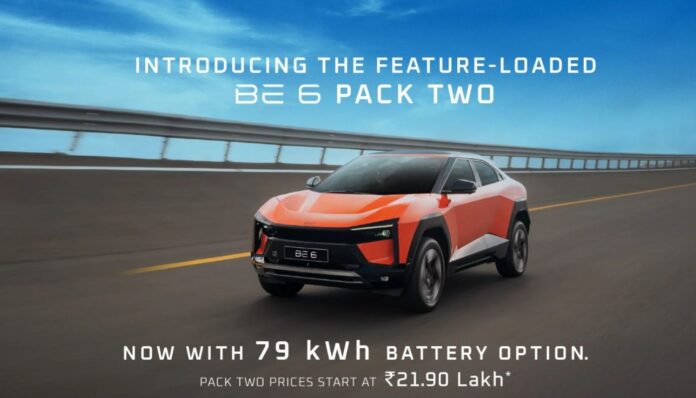
While petrol and diesel cars get up to ₹1.5 lakh price relief, the government has ensured Electric Vehicles (EVs) remain competitive with just 5% GST.
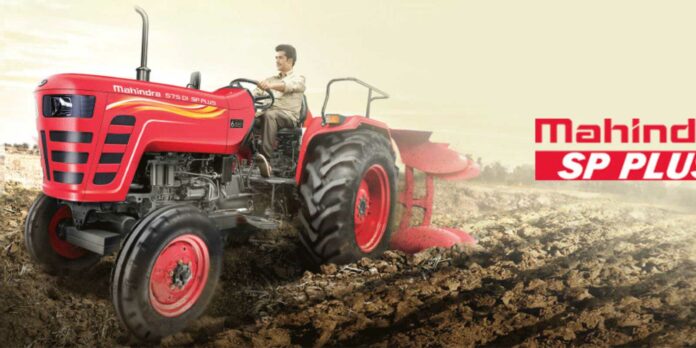
Similarly, tractors now attract only 5% GST (down from 12%), reducing both purchase cost and maintenance cost — a big win for rural India.
Industry Reactions
Dr. Anish Shah, Group CEO & MD, Mahindra Group, called GST 2.0 a “defining moment in India’s journey towards a simpler and inclusive tax system.”
Industry leaders believe this move will boost affordability, increase demand, and encourage investment in the automobile sector.
Conclusion
The GST 2.0 price cut of up to ₹1.5 lakh is a huge win for buyers and carmakers alike. Affordable petrol and diesel cars will now attract more middle-class customers, while EVs and tractors continue to enjoy their tax benefits.
Whether you are planning to buy a hatchback, sedan, or compact SUV, 2025 might just be the best year to book your dream car!
FAQs
What are the new GST rates for cars in India?
Under GST 2.0, small petrol cars (≤1200cc) and small diesel cars (≤1500cc), both under 4m length, are now taxed at a flat 18% GST, down from 29–31%.
How much can I save on buying a car after GST reduction?
Buyers can save up to ₹1.5 lakh depending on the car model and ex-showroom price. For example, a ₹15 lakh diesel car now costs around ₹13.5 lakh.
Which car companies will benefit the most?
Brands like Maruti Suzuki, Hyundai, Tata Motors, and Honda are set to gain as they dominate the small car and compact SUV market.
Are EVs and tractors also affected by GST 2.0?
Yes. EVs continue at 5% GST (the lowest), while tractors see GST reduced from 12% to 5%, benefiting farmers and rural buyers.
When do the new GST rates come into effect?
The new GST 2.0 rates are effective immediately, applying to all eligible small petrol and diesel cars, EVs, and tractors across India.